Art of Shim Gum Do
The Art of Shim Gum Do

The Art of
Shim Gum Do

Discover the traditional Korean sword art of Shim Gum Do, where disciplined movement, meditation, and mindful practice come together to develop the body, mind, and spirit.

Art of Shim Gum Do

Explore the Disciplines of Shim Gum Do

Shim Gum Do is a complete martial arts system that develops the mind and body through traditional training. Each discipline offers unique benefits while supporting the core principles of focus, discipline, balance, and personal growth.

01

βš”οΈ Sword Training

Sword training is the heart of Shim Gum Do. Students learn traditional forms that develop balance, coordination, concentration, and precision. Through consistent practice, practitioners strengthen both body and mind while cultivating discipline and confidence.

02

🧘 Meditation & Mind Training

Meditation is an essential part of Shim Gum Do training. Students learn techniques that improve concentration, reduce stress, and create greater awareness. This practice helps cultivate a calm and focused mind that supports success both in training and everyday life.

03

πŸ›‘οΈ Self-Defense & Martial Arts

Shim Gum Do includes Shin Boep, Ho Shin Sul, Long Stick, Short Stick, and Two Sword training. These disciplines develop strength, flexibility, coordination, and practical self-defense skills while encouraging perseverance, self-control, and continuous improvement.

The Spirit of Strength and Focus

A Tradition of Mind, Body, and Sword Training

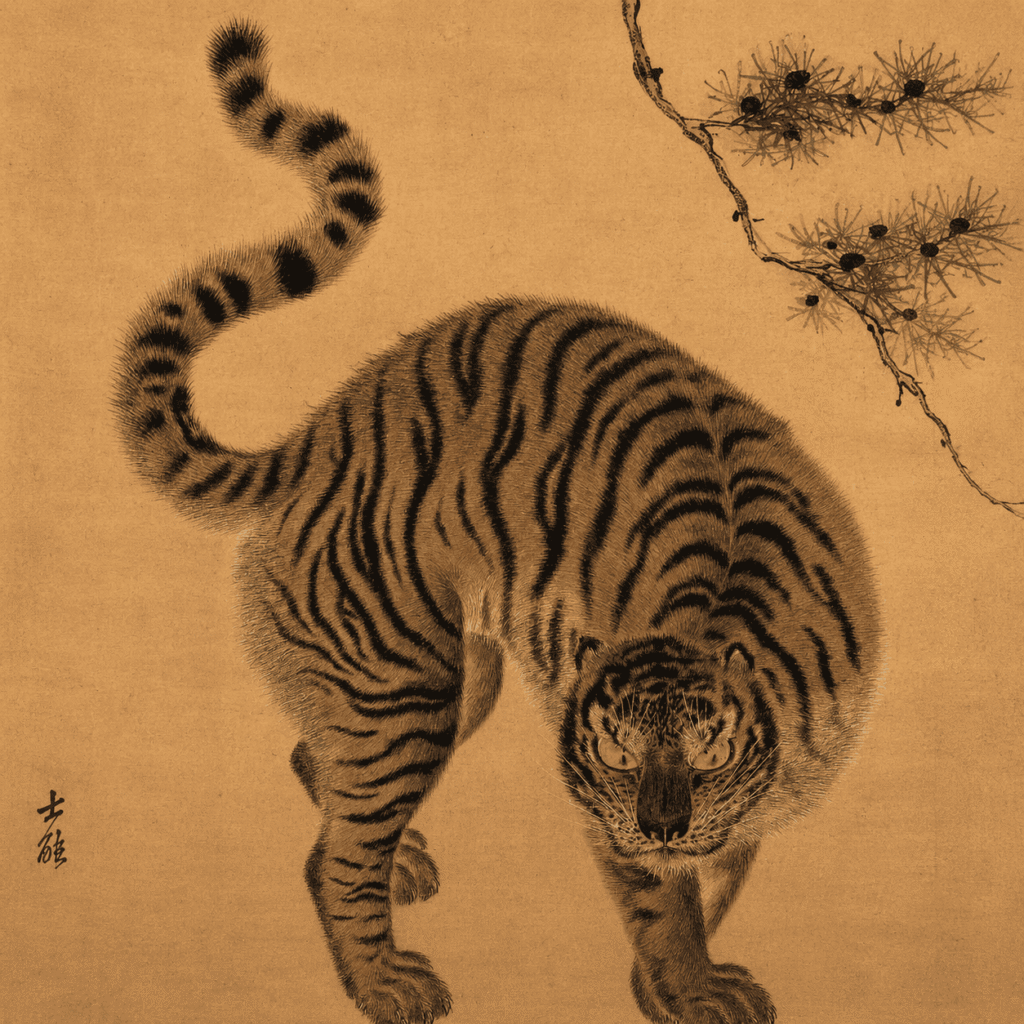
In many Eastern traditions, the tiger symbolizes courage, determination, and disciplined power. These same qualities are cultivated through Shim Gum Do training. Students learn to combine physical skill with mental focus, creating a balanced approach to martial arts that supports growth both on and off the training floor.

Strength through consistent practice
Focus through meditation and repetition
Discipline through traditional training
Confidence through personal achievement
Balance between mind and body

A Journey of Mind, Body, and Spirit Through Zen Sword Training.

Zen Philosophy & Tradition

The Spiritual Foundation of Shim Gum Do

Shim Gum Do is rooted in centuries of Zen tradition that emphasize clarity of mind, self-discipline, and inner peace. The art teaches that true strength comes not only from physical ability but also from cultivating wisdom, awareness, and compassion.

Through meditation, sword training, and mindful practice, students learn to quiet distractions and develop a deeper understanding of themselves. These teachings help practitioners approach life’s challenges with patience, confidence, and a balanced perspective.

Zen Philosophy and Tradition
The Beginning

Origins of
Shim Gum Do

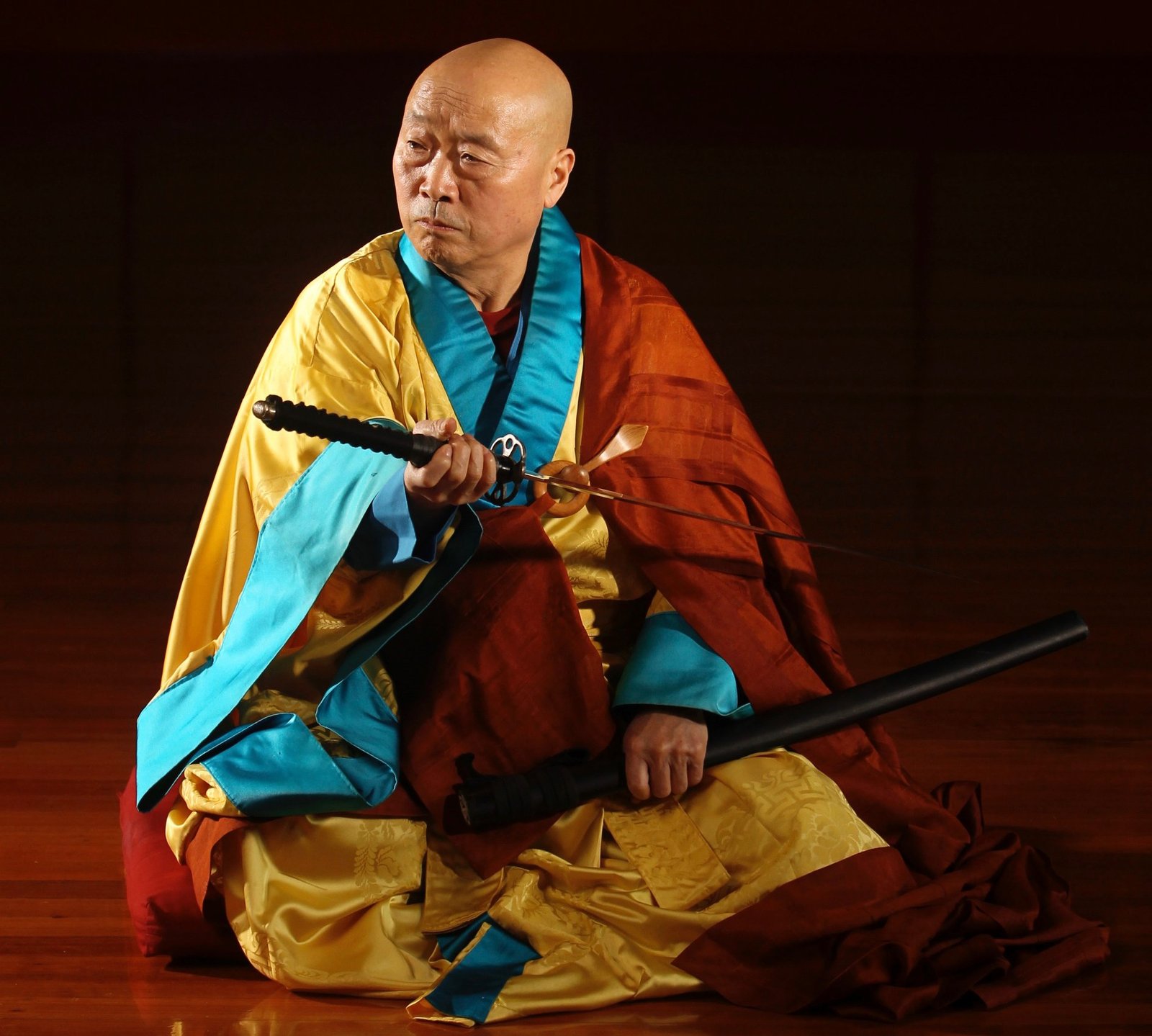
Shim Gum Do the "Mind Sword Path" was founded in Korea by Founding Master, Great Zen Master Chang Sik Kim. What began as one young monk's search for sword enlightenment grew into a complete system of Zen martial arts now practiced around the world. The story of Shim Gum Do's origin is the story of Master Kim himself: a boy who entered a mountain temple at thirteen, endured a hundred days of solitary meditation at twenty-one, and emerged with an entire martial art revealed to him in a single flash of insight.

The Mind Sword Path A tradition where disciplined movement and clarity of mind are cultivated together.
Shim Gum Do tradition
Shim Gum Do The Mind Sword Path
The story begins in Korea
The Early Years

From a Young Monk
to the Mind Sword

The origins of Shim Gum Do are inseparable from the early life and training of Master Chang Sik Kim. His journey began during a turbulent period in Korean history and led him toward a profound encounter with Zen, discipline, and the martial arts.

01

1944 β€” Early Life

A Childhood Marked by War

Chang Sik Kim was born on January 8, 1944, in a small farming village in Korea. He was born during a difficult period in Korean history, as Korea was nearing the end of Japanese occupation and would soon face the devastation of the Korean War.

Growing up during these turbulent years shaped many aspects of his early life. His path into martial arts came later, when one of his teachers introduced the idea to him. At that point, martial arts was not something he had previously considered, but that introduction would eventually lead him toward a lifelong journey of training and discipline.

Shim Gum Do tradition
The Beginning The early years of Master Chang Sik Kim
02

Age 13 β€” 1957

Meeting His Teacher

Master Kim's path changed forever at the age of thirteen, when he met Zen Master Seung Sahn Lee, who would later found the Kwan Um School of Zen and become one of the most influential Korean Zen teachers to bring Buddhism to the West. Seung Sahn Lee told the young Kim that he had a "martial art face," and posed him a koan that would define the rest of his life:

A great Zen sword master saw the reflection of the moon in a pool of water. He drew his sword and cut the reflection in half, and the two halves separated. How is this possible?

Seung Sahn Lee told him that if he wanted to find the answer β€” and attain true martial art enlightenment β€” he would have to come live at the temple and follow the training himself. Knowledge handed down by someone else, he said, would never truly belong to him; it had to be earned directly through his own practice and realization.

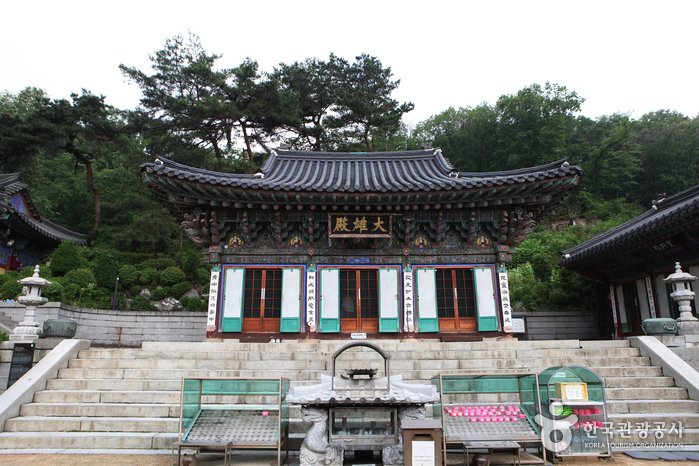
Kim accepted, entering Hwa Gye Sa temple in Seoul in 1957 under Seung Sahn Lee's tutelage. Life at the temple was not built around formal lectures on doctrine. Instead, the Dharma was taught through the rhythms of daily monastic life β€” cleaning, cooking, and the disciplined repetition of practice. Even mundane chores carried meaning: sweeping the floors and preparing meals became lessons in clearing the mind, using resources carefully, and wasting nothing, whether food, energy, or attention. For years, Kim lived and trained this way, carrying with him the unanswered koan and the seed of a promise that he would one day attain martial art enlightenment.

Hwa Gye Sa temple and Zen tradition
Hwa Gye Sa The temple where Kim began his training

03

1965 β€” Age 21

The Hundred-Day Retreat

By 1965, at the age of twenty-one, Kim had trained under Seung Sahn Lee for eight years. It was then that his teacher sent him to Sam Gak Mountain near Seoul for an intensive

Conditions on the retreat were austere, and the practice was relentless. Day after day, Kim sat with the koan of the sword master and the moon's reflection, pursuing not an intellectual answer but a direct, lived understanding. Then, over the course of the retreat, something broke open. Kim attained what practitioners of Shim Gum Do call Mind Sword Enlightenment β€” and with it came something far more than the answer to a single koan. In that state, the entire art of Shim Gum Do was revealed to him: not invented or designed in the ordinary sense, but perceived whole, as though it had always existed and simply needed to be seen.

A Moment of Enlightenment

The Mind Sword Was Revealed

What emerged from the retreat was a vast and detailed curriculum: 330 sword forms, 330 Shim Boep karate forms, 50 two-sword forms, 50 long stick forms, 50 short stick forms, and more than 1,000 Ho Shin Sul (self-defense) techniques.

Taken together, these forms became the technical foundation of an entirely new martial art β€” one built explicitly on the union of Zen mind and disciplined movement.

330 Sword Forms
330 Shim Boep Forms
1,000+ Ho Shin Sul Techniques
50 Two-Sword Forms
50 Long Stick Forms
50 Short Stick Forms

From Korea to the World

Bringing Shim Gum Do
Into the World

Enlightenment was only the beginning. Kim spent the following years shaping what he had realized into a teachable system and sharing the practice beyond Korea.

The Proclamation

Bringing Shim Gum Do Into the World

Enlightenment was only the beginning. Master Kim spent the following years shaping what he had realized into a teachable system, and in 1971 he formally introduced it to the world with the Proclamation of Shim Gum Do, issued on October 9 of that year. The Proclamation laid out the doctrinal foundation of Shim Gum Do as a genuine Zen Buddhist practice and path, not merely a system of physical technique. That same year, he established the Korean Shim Gum Do Association and began teaching openly in Korea.

1971

Shim Gum Do Proclaimed

The art was formally introduced to the world and established as a Zen Buddhist practice and path.

1971

The Meaning of the Name

The Mind-Sword Path

The name itself carries the philosophy of the art in miniature. Shim refers to mind β€” correct emotion, meditation, and awareness, the qualities associated with the Buddha. Gum refers to the sword, but also to thinking, wisdom, and the understanding of truth, paralleling the role of the Dharma. Do means action, the path, or the way. Shim Gum Do is, quite literally, the path of the mind-sword: a practice in which the cutting clarity of the blade and the clarity of an awakened mind are understood to be one and the same discipline, trained together rather than separately.

εΏƒ β€’ 劍 β€’ 道

Mind Β· Sword Β· Path

The philosophy of Shim Gum Do is carried within the meaning of its name.

DO

A New Beginning

The Journey to America

In 1974, Master Kim left Korea for the United States, arriving with very little β€” by his own telling, about twenty dollars and no English. He began teaching Shim Gum Do soon after, forming some of the earliest clubs at institutions like MIT and Brown University, and by 1976 he was teaching classes on the third floor of a building on Boylston Street in Boston, near the Berklee School of Music. Over the following years he would go on to lecture at Harvard, Boston University, Boston College, Northeastern, and Yale, introducing Shim Gum Do to a new generation of American students far from the mountain temples where it had been born.

$20

A Journey Across Continents

Master Kim arrived in the United States with about twenty dollars and no English.

1974

American Association

Building the Community

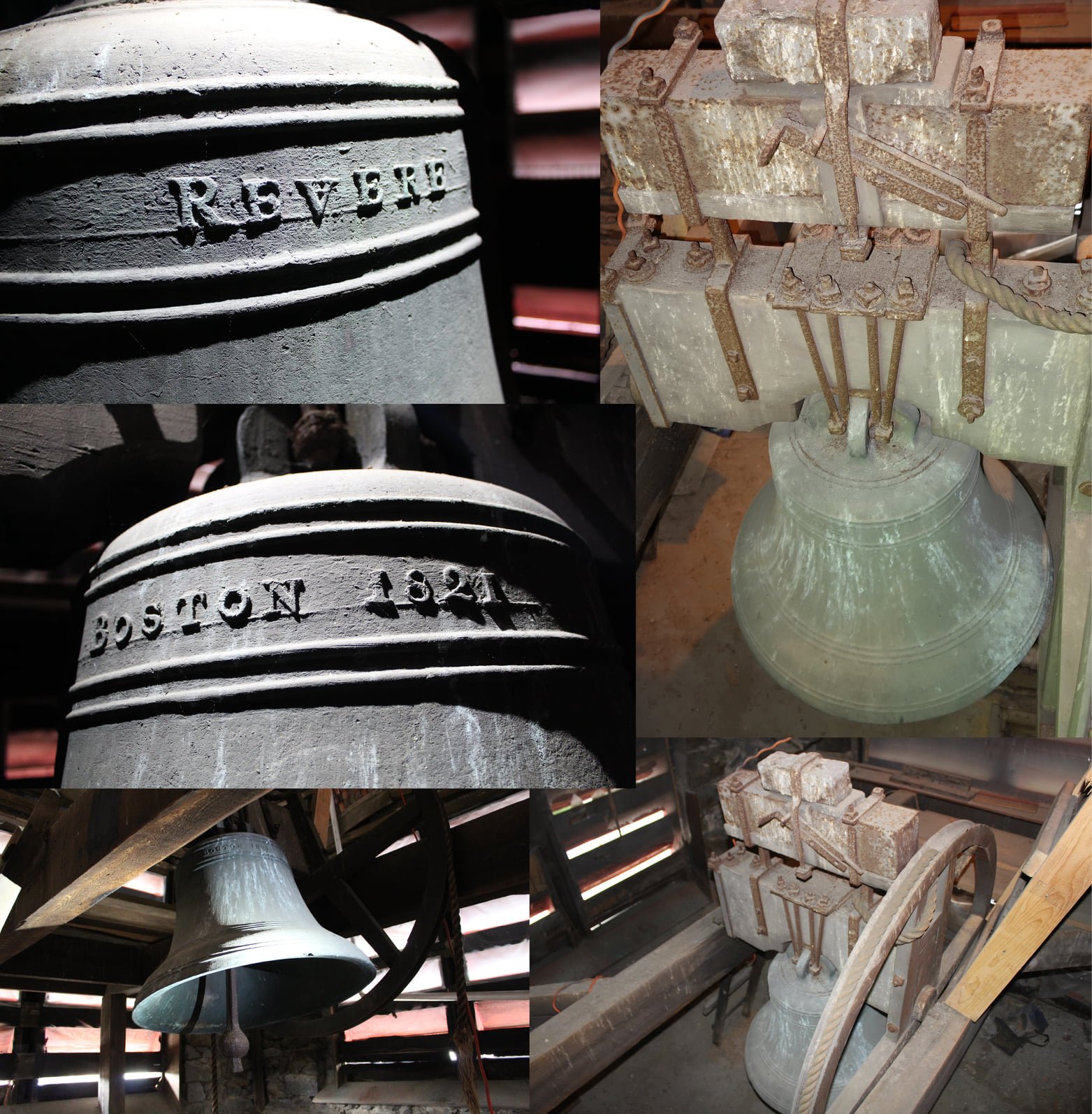
In 1978, Master Kim formally established the American Buddhist Shim Gum Do Association, unifying the growing community of practitioners in the United States. The organization's main temple, Shim Gwang Sa β€” the Mind Light Temple β€” was later built in Brighton, a neighborhood of Boston, Massachusetts, inside a historic 1894 stone church that continues to serve as the World Headquarters of Shim Gum Do today.

1978

American Buddhist Shim Gum Do Association

A growing community of practitioners was formally unified in the United States.

1978

A Global Organization

The World Shim Gum Do Association

In 1991, he went a step further, founding the World Shim Gum Do Association to unite all of the Shim Gum Do organizations that had by then spread across Korea, the United States, and Europe, including branches in Italy.

1991

Korea Β· United States Β· Europe

The World Shim Gum Do Association united the organizations that had spread internationally.

1991

The Philosophy Within the Name

Mind. Sword. Path.

The name itself carries the philosophy of the art in miniature. Shim refers to mind β€” correct emotion, meditation, and awareness, the qualities associated with the Buddha. Gum refers to the sword, but also to wisdom and the understanding of truth, paralleling the role of the Dharma. Do means the path or the way. Shim Gum Do is, quite literally, the path of the mind-sword: a practice in which the cutting clarity of the blade and the clarity of an awakened mind are understood to be one and the same discipline, trained together rather than separately.

Shim Mind, correct emotion, meditation, and awareness
Gum Sword, wisdom, and understanding of truth
Do The path or the way

The World Headquarters

Shim Gwang Sa

The organization's main temple, Shim Gwang Sa β€” the Mind Light Temple β€” was later built in Brighton, a neighborhood of Boston, Massachusetts, inside a historic 1894 stone church that continues to serve as the World Headquarters of Shim Gum Do today.

Shim Gwang Sa and the tradition of Shim Gum Do

Recognition Β· Art Β· Legacy

A Legacy That Extends
Beyond the Sword

Master Chang Sik Kim's work continued to develop beyond martial arts training. Recognition, teaching, art, poetry, and the preservation of Shim Gum Do became interconnected parts of his life's work.

01

Recognition
& Lineage

A tradition carried forward through generations of dedicated practice and teaching.

Recognition and Lineage

A Tradition Carried Forward

Master Chang Sik Kim's work established Shim Gum Do as a distinctive Zen martial art that brought together sword training, meditation, and Buddhist practice.

Through his students, temples, associations, and continued instruction, the tradition has been carried forward across generations and across countries.

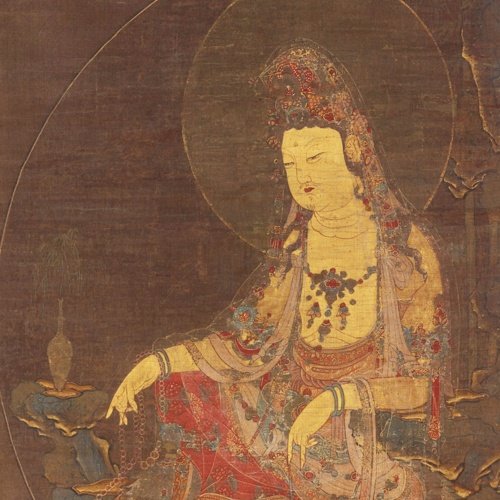
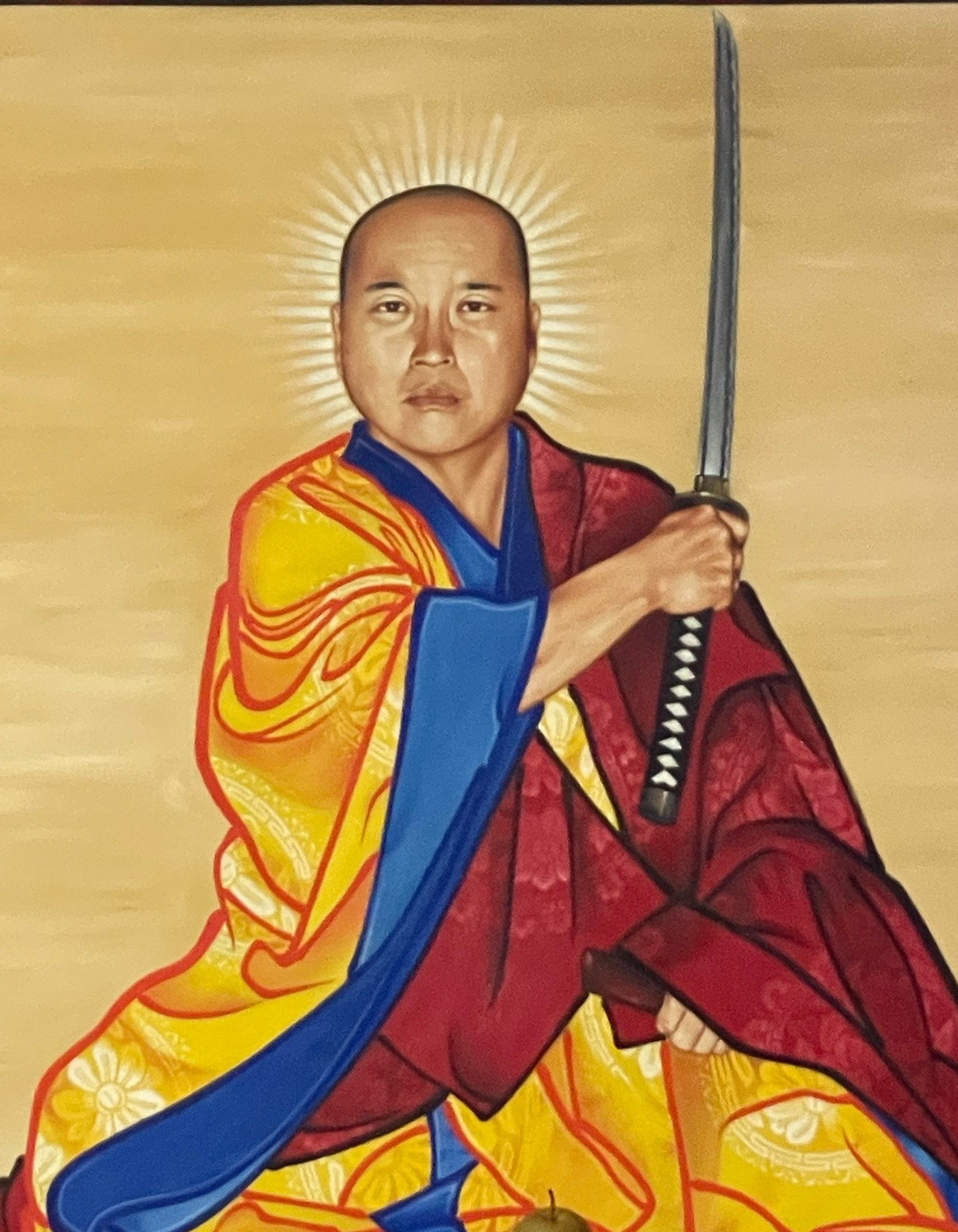
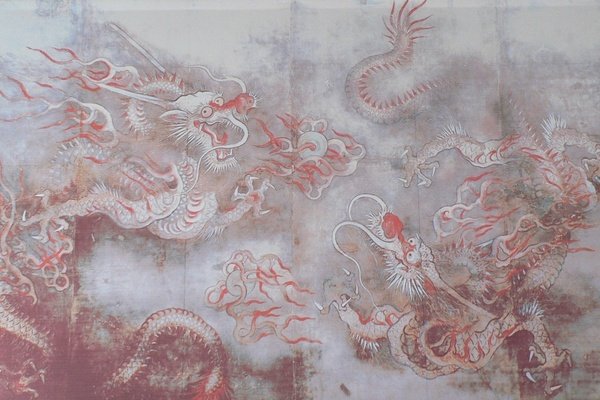
Zen Buddhist artwork

Beyond Martial Arts

Beyond the Sword:
A Life of Art and Poetry

Master Kim's creative work extended well beyond the training floor. His paintings and poetry reflected the same Zen principles that shaped Shim Gum Do β€” simplicity, awareness, discipline, and the search for clarity.

Art became another way of expressing the relationship between mind, movement, nature, and spiritual practice. The brush and the sword, like meditation and physical training, could become different expressions of the same disciplined mind.

01 / MIND

Meditation

The cultivation of awareness, clarity, concentration, and inner discipline remains at the heart of the tradition.

02 / BODY

Disciplined Movement

Sword forms and martial training continue to develop balance, coordination, strength, precision, and perseverance.

03 / PATH

Personal Growth

Shim Gum Do remains a path of continuous practice, self-mastery, and the integration of Zen principles into everyday life.

Historical Note

Preserving the Story of Shim Gum Do

The history of Shim Gum Do is preserved through the teachings, writings, artwork, oral traditions, and ongoing practice of its community. The story is not simply a record of dates and events; it is also the story of a living tradition whose principles are transmitted through direct practice.

From the early training of Master Chang Sik Kim to the development of temples, associations, schools, and practitioners around the world, the central principle remains the same: the cultivation of a clear mind through disciplined practice.

The Art of Shim Gum Do

A Path of Meditation, Discipline & Sword Training

Shim Gum Do is a traditional Zen martial art founded by Zen Master Chang Sik Kim in 1971. Combining sword training, meditation, and mental discipline, the art helps students develop focus, balance, strength, and clarity. Through consistent practice, practitioners cultivate both physical skill and inner awareness.

Learn More About Shim Gum Do

Learn More About Shim Gum Do

Train the sword, strengthen the body, and cultivate a clear and focused mind through the practice of Zen Sword and meditation.

Traditional Zen Sword Training
Meditation & Mind Development
Forms & Partner Practice
Personal Growth & Self-Mastery
Learn More About Shim Gum Do
ZEN SWORD

The Foundation of Zen Sword

Core Principles of Shim Gum Do

Zen Sword training is built on the principles of discipline, mindfulness, and continuous self-improvement. Through dedicated practice, students develop a stronger mind, healthier body, and a deeper understanding of themselves.

Discipline

Build focus, consistency, and dedication through regular Zen Sword training.

Dedicated practice develops consistency, patience, focus, and the discipline needed for lasting personal growth.

Explore More

Mindfulness

Develop awareness, concentration, and inner calm through meditation and movement.

Zen Sword training teaches students to remain present and focused while cultivating greater mental clarity, awareness, and inner calm.

Explore More

Strength & Growth

Improve physical fitness while developing confidence and personal growth.

Consistent training strengthens the body while helping students develop confidence, resilience, balance, and a stronger sense of personal achievement.

Explore More

Traditional Korean sword training focused on meditation and discipline.

Get in Touch with Us!

Too cultivated use solicitude frequently. Dashwood likewise up consider.
Edit Template

Β© 2026 Created with Elite Soft Tech